12 GWh
Annual BESS capacity
AI compute is outrunning the grid and outpacing air cooling. The bottleneck is no longer silicon. It is heat, power, and time.
One integrated stack: BESS, sealed-tray immersion cooling, edge units, and containers - from kW to GW. One partner, end to end.

Energy, water, land, and the upgrade wall. The current generation racks draw 132 to 140 kW. We are developing ≤ 500 kW per rack. Air cooling runs out of headroom near 30 kW. Interconnection queues stretch three to five years. Traditional builds take eighteen months, and leave no room to upgrade while the software above them changes daily.
Four things shift the moment power and compute sit under one roof, one contract, one control layer.
Batteries, dielectric coolant, EMS software, enclosures - all designed and built in-house across 230,000 m². When customization is required, every hardware variable can be adjusted under one roof - no waiting on 15 different OEMs.
Bring your own energy. Storage from 15 kW residential to 5 MW / 10 MWh utility, integrated with solar, wind, or gensets. The grid queue stops being your schedule. Compute runs where power is, not where the utility says yes.
Sealed-tray immersion captures 85% of heat instead of throwing it away. The same physics that cuts your energy bill becomes district heating, industrial process heat, and LNG regasification. Lower opex and lower emissions are one number.
Prefab containers ship parallel to your site prep. Factory to live in 6-9 months versus 18+ for a concrete build. Capital earns ROI a year earlier - and the modules redeploy or upgrade instead of stranding.

Power, cooling, compute enclosures, and the intelligence layer. Everything except the silicon and the shell.
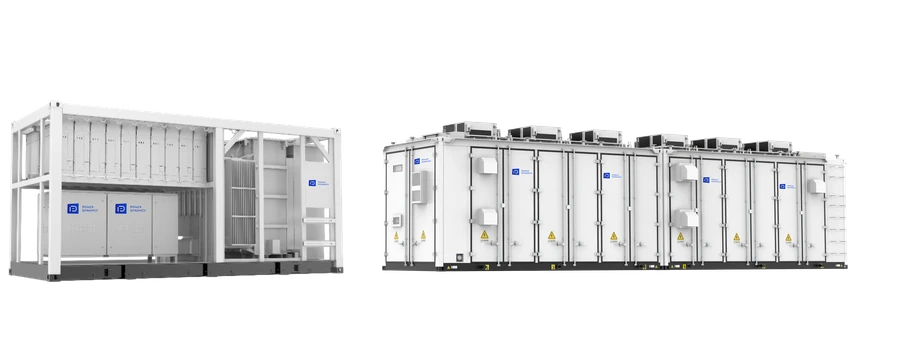
Seven systems from 15 kW residential all-in-one to 5 MW / 10 MWh utility scale - in cold-plate and immersion liquid cooling. LFP chemistry, 6,000+ cycles to 80%. Immersion-cooled cells hold within 2°C: 30%+ longer life than traditional liquid cooling.
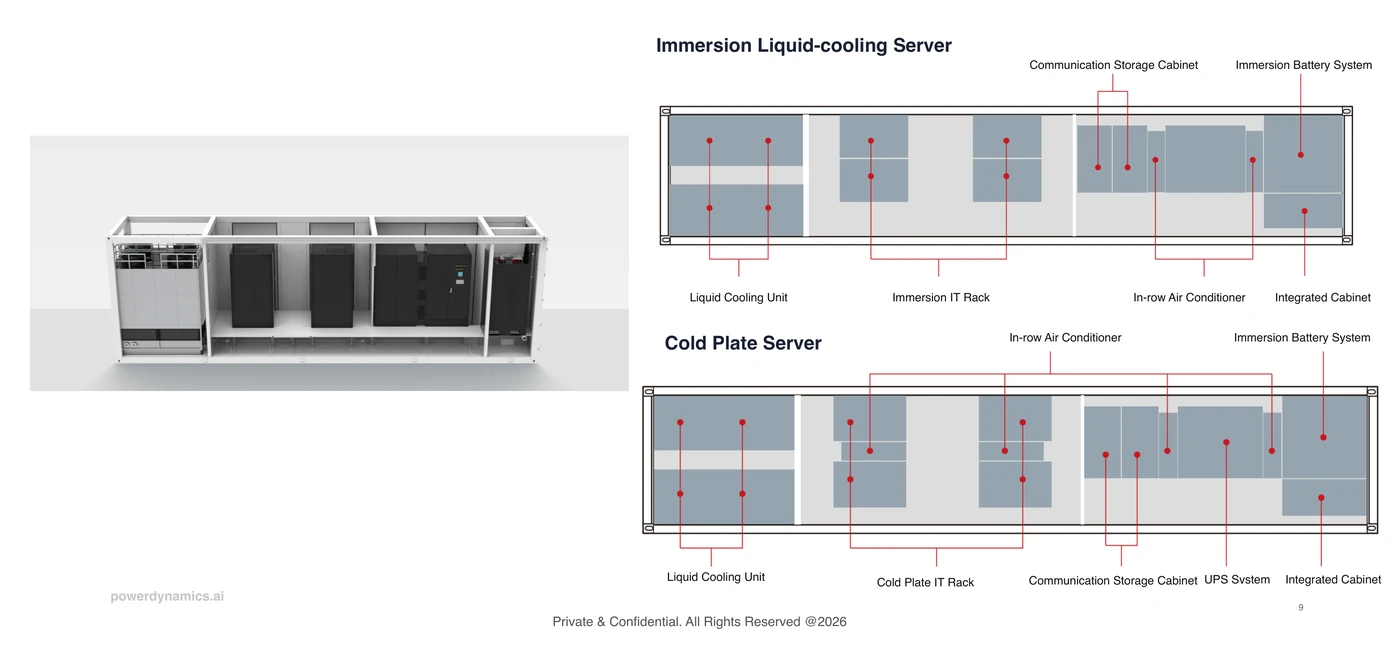
20ft and 40ft prefabricated integrated computing containers: immersion or cold-plate liquid-cooled IT cabinets, communication and storage cabinets, modular UPS, immersion-cooled battery system, in-row cooling, and the liquid cooling unit - one IP55 enclosure, plug and play.
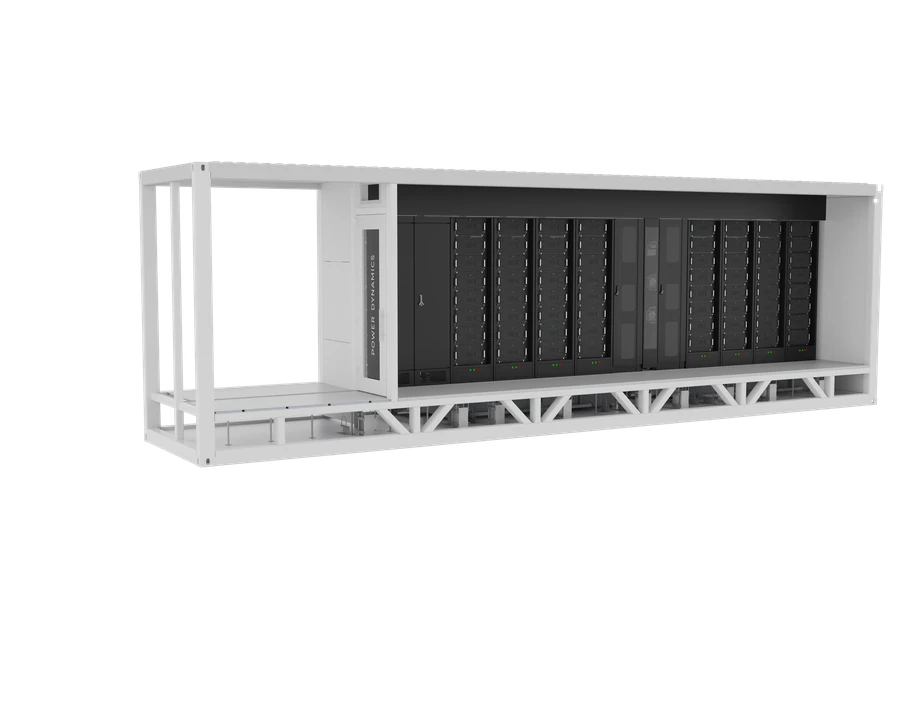
Every block of a next-gen AI data center as a prefab module: immersion server cabinets, AI integrated cabinets, all-in-one AI node containers, IT containers, UPS power distribution, diesel generator containers, centralized and distributed CDUs, MV skids, closed cooling towers.
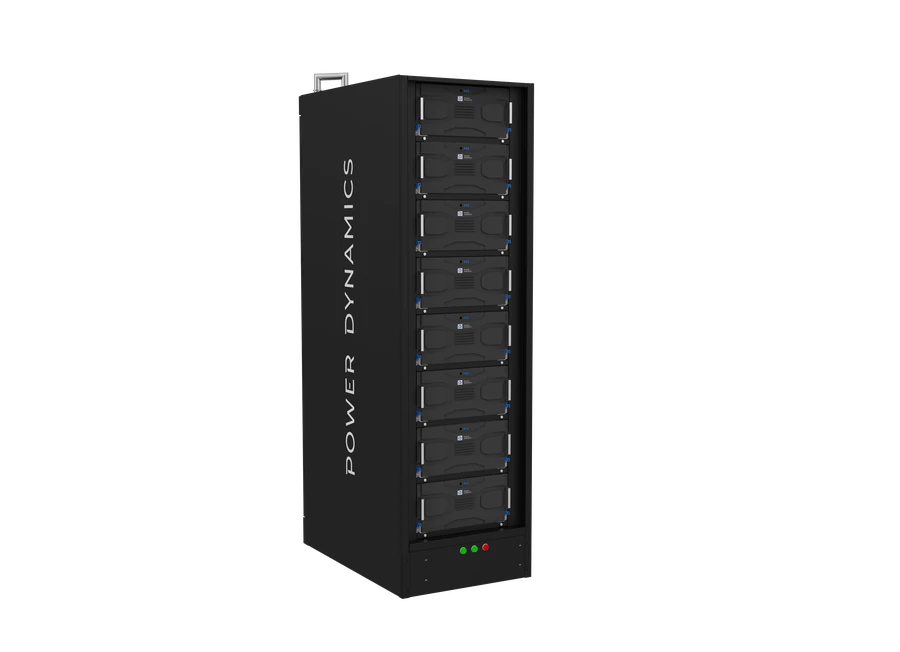
Single-phase dielectric immersion in sealed vertical trays. Servers slide in and out like a traditional rack - pull a node without draining a tank. Zero fire risk, zero water consumption, online maintenance for colo SLAs. Proprietary in-house coolant, no third-party dependency.
Predictive balancing of renewable generation against compute load, from 15-minute spot to 72 hours ahead. Single-cell monitoring with remote cell-level shutdown. Automated grid-services participation turns storage into a revenue line instead of an insurance policy.
Air cooling throws heat away and keeps paying for the privilege. Immersion captures it. Capture 85% of the heat, and the same physics that cuts your energy bill becomes district heating, industrial process heat, and LNG regasification. Lower operating cost and lower emissions are not two efforts. They are one number.

Data center waste heat vaporizes LNG. LNG cold energy cools the data center. One pairing saves 1.85 MW of cooling per 10 MW of compute, plus 1,383 MWh per year of pump power. The same heat feeds textile dyeing at 120-180°C, food manufacturing at 100-150°C, pulp and paper at 150-200°C, chemical process at 200-400°C - and district heating networks that turn a data center into a thermal supplier for its community.
The world's first utility-scale immersion thermal management on electrochemical storage lives at Meizhou: 70 MW / 140 MWh, 81 GWh cycled per year, 45,000 tonnes of CO2 avoided annually - with zero safety incidents across 3+ GWh deployed.
